
Drivers have been warned not to wait until they feel tired before taking a break as millions prepare to travel during the summer holidays.
National Highways has warned fatigue can affect motorists on UK roads, unknowingly increasing the risk of serious crashes.
The organisation has now begun encouraging drivers to make sure they are well rested before setting off and to plan a break of at least 15 minutes every two hours.
The warning comes as new research suggests more people will be driving overnight or in the early hours of the morning this summer to avoid busy roads.
The survey found that 60 per cent of drivers in England expect to make longer journeys between 7pm and 7am during the holidays. Among parents, the figure rises to 73 per cent.
Despite this, almost half of motorists (45 per cent) admitted they are not always properly rested before setting off on a long journey. The research also found that fewer than half of drivers (42 per cent) plan their rest stops before they leave home.
National Highways said the findings were worrying because overnight journeys are linked to a higher number of fatigue-related crashes.
Analysis of 2024 collision data showed that 41 per cent of all fatal and serious crashes linked to driver fatigue on motorways and major A-roads happened between May and August. Around two-thirds of those collisions took place between 7pm and 7am during the summer months.

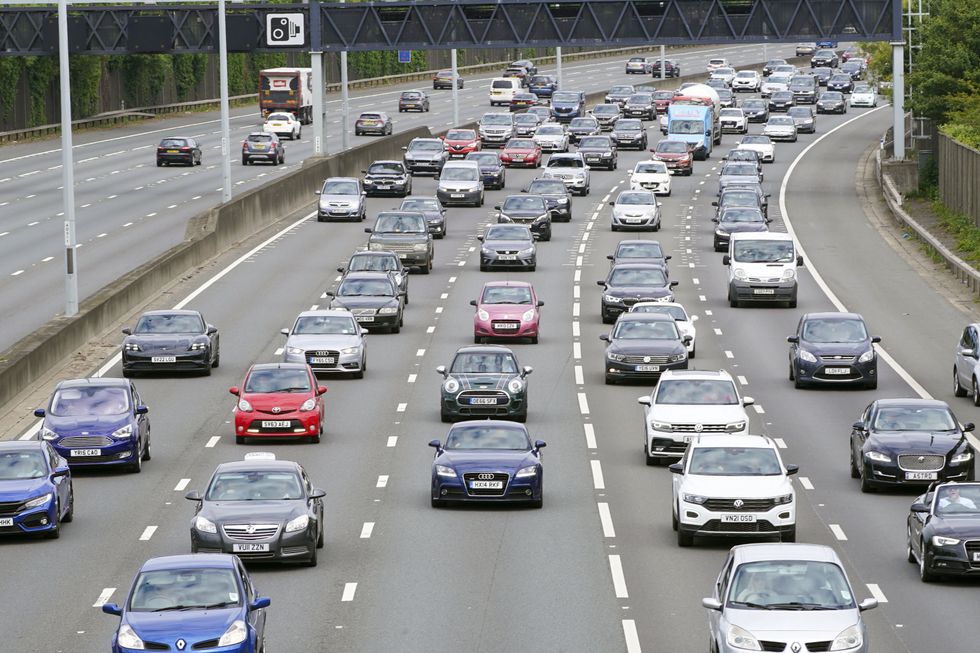
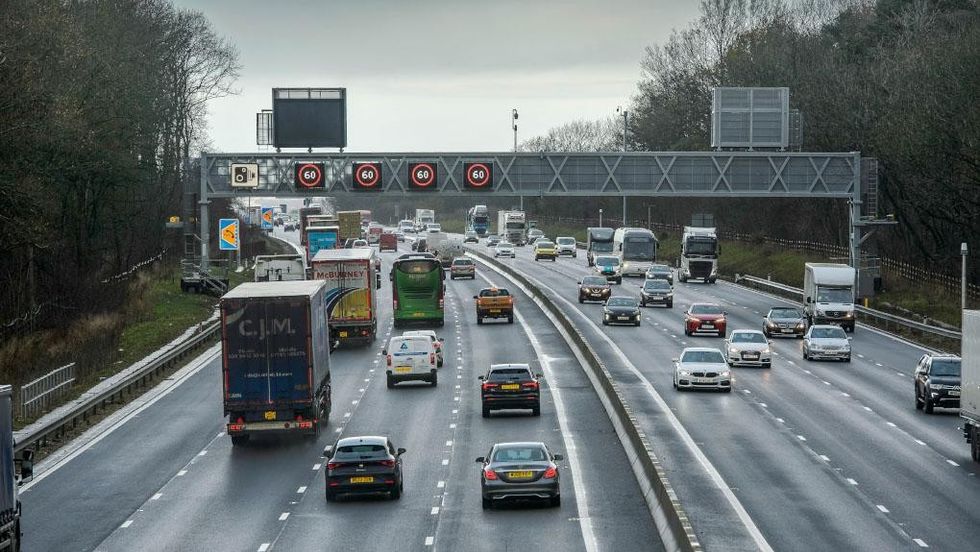
The warning follows reports that traffic on England's motorways and major A-roads has increased by almost six per cent over the past three years, with millions of families expected to travel during the school holidays.
Colin Stevenson, Road Safety Information Lead at National Highways, said: "Fatigue can affect your concentration and reactions before you realise it.
"Our research shows more drivers will be travelling overnight or early morning this summer, yet many aren't making sure they're properly rested before setting off.
"Whether you're heading off on holiday, visiting family or making a long journey, make sure you are well rested and never push through tiredness. Remember to plan at least a 15-minute break for every two hours of driving, whatever time you're on the road."
LATEST DEVELOPMENTS:
- Motorists slam eyesight rules impacting millions as new driving licence rules punish over-70s
- DVSA fails millions of MOT tests due to faulty number plates as motorists risk £2,500 fine
- Labour hails success of Electric Car Grant as 140,000 Britons save up to £3,750 on popular EVs
Professor John Groeger, Professor of Psychology at Nottingham Trent University, said drivers should not wait until they begin to feel sleepy before stopping, as fatigue may already be affecting their ability to drive safely.
He said: "Driving is a complex task that requires sustained concentration, yet many drivers underestimate how demanding long-distance journeys can be. The danger is that people become less aware of their own declining performance.
"Drivers should think about more than just the miles ahead. They need to consider how long they have been driving without a break – two hours should be the maximum."
"Drivers also need to think about how long they have been awake, the quality of sleep they last had and the time of day they are travelling," Mr Groeger shared.
The research also found that quieter roads at night encouraged some motorists to delay taking a break and instead to power through due to easier driving conditions.
Around 40 per cent of drivers who stop less frequently on overnight journeys said they believe lighter traffic makes it easier to drive for longer without stopping.
National Highways has encouraged motorists to prepare before setting off by checking their fuel, oil and screen wash, inspecting their tyres, planning regular rest stops and making sure they are ready for any severe weather conditions.
Our Standards: The GB News Editorial Charter
from GB News https://ift.tt/LQqv9wG




0 Comments