
Britain's largest bird conservation charity has issued an urgent appeal to households across the country, requesting Britons to cease putting seeds and peanuts in garden feeders during the warmer months.
The RSPB is advising the public to leave feeders empty between May 1 and October 31, to help combat trichomonosis - a parasitic illness devastating wild bird populations.
The disease attacks birds' mouths and throats, leaving them unable to feed, drink or breathe properly.
Transmission occurs through saliva, with the parasite surviving for extended periods during warmer weather - a particularly critical time when adult birds are feeding their young.
The consequences for garden bird populations have been severe.
Data from this year's Big Garden Birdwatch, the world's largest garden wildlife survey, reveals greenfinches have plummeted from seventh place when the count began in 1979 to eighteenth position in 2025.
The greenfinch population has collapsed by approximately two million birds, a decline the charity attributes partly to disease transmission at feeding stations.
The RSPB has expressed particular alarm about three species suffering from the illness.
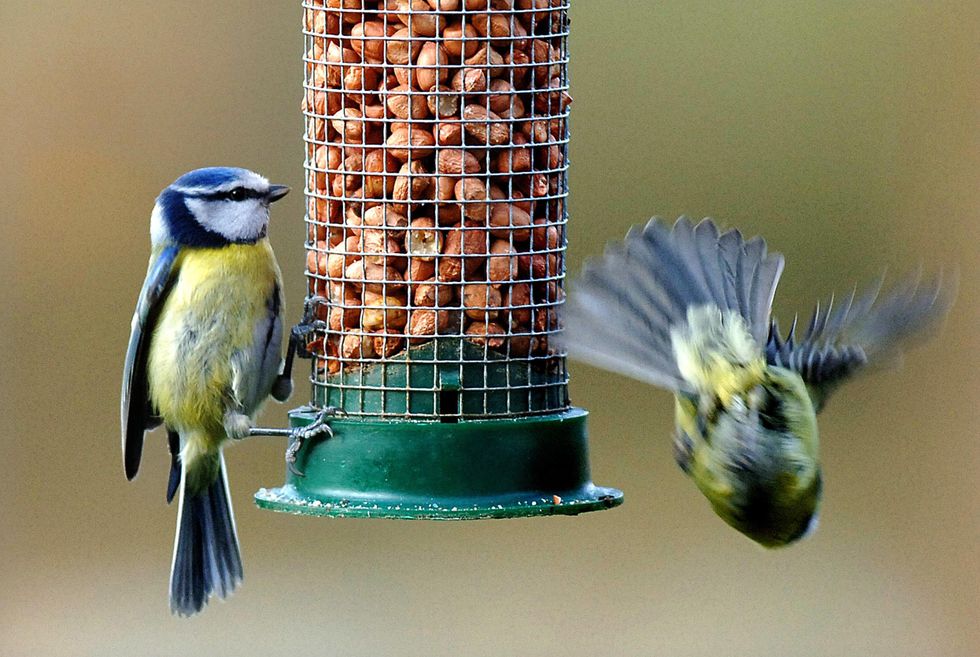
Beyond greenfinches, both chaffinches and bullfinches are now showing worrying population decreases linked to feeder contamination.
A single sick bird visiting a popular feeding station can rapidly transform it into a disease hotspot, the charity warned.
Beccy Speight, the charity's chief executive, said: "We're not asking people to stop feeding, just to feed in a way that protects birds' long-term health.
"Feeding birds is something millions of us love and value, but the science shows us that birds such as greenfinches have been affected by the spread of disease at feeders.
LATEST ANIMAL STORIES:
- Grand National horse dies tragically moments after winning race on Ladies Day
- Deadly 'civil war' erupts in Africa... between CHIMPS
- RSPCA finds 250 ‘frightened’ dogs crammed into ONE house in ‘shocking’ discovery
"By making small changes together, we can ensure garden feeding continues to be a positive force for nature."
The RSPB acknowledges its guidance may prove unwelcome among the estimated 16 million households that regularly provide food for wild birds.
However, the recommendations follow what the charity described as a "huge evidence review" examining feeding practices and disease transmission patterns.
Despite the seasonal restrictions, households can continue offering protein-rich foods throughout the year, with mealworms, fat balls and suet remaining safe options for garden birds.
The charity has also strengthened its hygiene recommendations, advising water in bird baths should be replaced daily, while the baths themselves require weekly cleaning.
For feeders, the RSPB advises dismantling them completely and scrubbing with a brush or disinfectant to eliminate contamination.
While recognising the difficulties these changes present for the bird food industry, the charity insisted that maintaining current practices was no longer viable.
Our Standards: The GB News Editorial Charter
from GB News https://ift.tt/gysLUJG



0 Comments