
Two people have had their High Court bid to challenge the Metropolitan Police's deployment of live facial recognition technology across London thrown out.
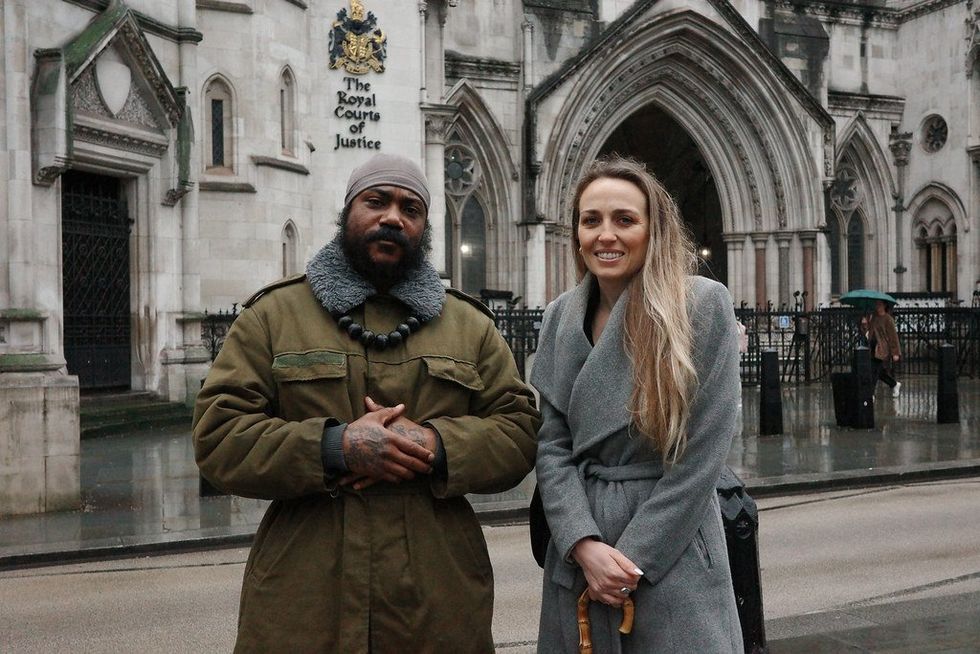
Shaun Thompson, who works with young people affected by violence, and Silkie Carlo of Big Brother Watch, brought the legal action against Scotland Yard's facial recognition policy, arguing the surveillance system could be deployed arbitrarily and in a discriminatory manner.
In their ruling delivered today, Lord Justice Holgate and Ms Justice Farbey determined that the Met's approach was lawful and neither the claimants' human rights had been violated.
Both Mr Thompson and Ms Carlo have indicated they intend to pursue an appeal against the judgement.
The legal challenge centred on Scotland Yard's live facial recognition policy introduced in September 2024.
Mr Thompson had been wrongly identified by the technology, adding personal experience to the broader civil liberties concerns raised in the case.
Legal representatives for the pair argued during a January hearing the biometric data captured by facial recognition was comparable to a DNA profile.
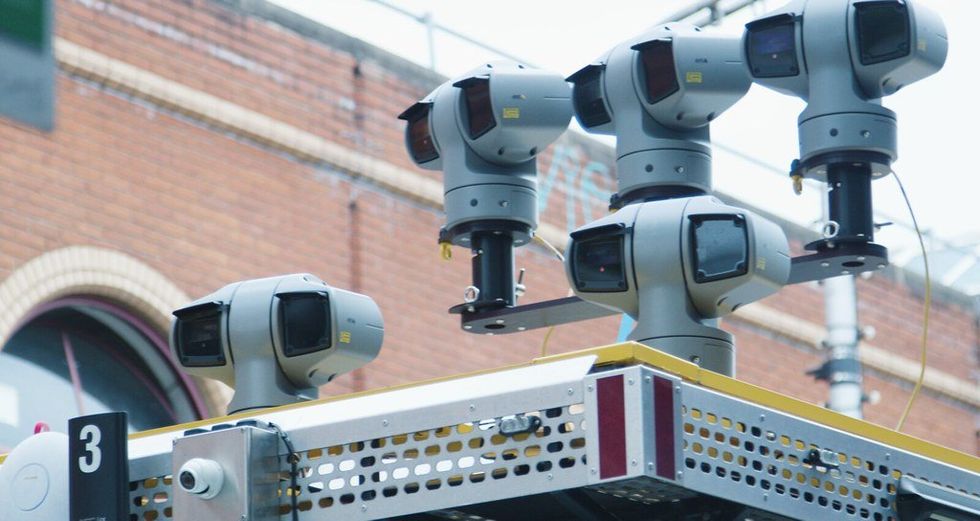
They warned proposed permanent camera installations throughout London would make it effectively impossible for residents to move around the city without having their facial data captured and processed.
The claimants' barrister, Dan Squires KC, told the court the system converts individuals' facial features into coded information, which is then checked against a police watchlist of wanted persons.
Squires KC revealed the Met deployed facial recognition 231 times during the previous year, scanning approximately four million faces.
A single deployment at Oxford Circus in December processed more than 50,000 faces within four and a half hours.
The Met's barrister, Anya Proops KC, defended the technology by comparing the search for wanted individuals to finding "stray needles in an enormous, exceptionally dense haystack".
LATEST DEVELOPMENTS
- Man pleads guilty of raping a Sikh woman 'he thought was Muslim' in Walsall
- Counter terror police arrest 8 people across England over alleged plot to commit arson attacks
- Protesters storm streets of Epsom and hurl eggs at police over ‘church gang-rape allegations’
She noted officers made 801 arrests directly resulting from facial recognition matches up to September 2025 and images of non-watchlist individuals are erased within a fraction of a second.
In their 47-page judgement, the judges concluded any privacy intrusion was not specifically directed at the claimants and discrimination concerns had been only "faintly asserted".
Sir Mark Rowley described the ruling as "a significant and important victory for public safety".
Ms Carlo described the judgement as "disappointing" but insisted the legal battle was "far from over", with Big Brother Watch launching crowdfunding to support an appeal.
"There has never been a more important time to stand up for the public's rights against dystopian surveillance tech that turns us into walking ID cards and treats us like a nation of suspects," she said.
Mr Thompson characterised the technology as "like stop and search on steroids" and vowed to continue fighting to "protect Londoners" from "mass surveillance".
The ruling arrives amid Government plans to significantly expand facial recognition capabilities.
Home Office proposals announced in January would increase the number of mobile units from 10 to 50, making them available to police forces throughout England and Wales.
The Government has said it is “rolling out facial recognition across the country."
Policing Minister, Sarah Jones said: “I welcome today’s ruling because there can be no true liberty when people live in fear of crime in their communities.
“Live facial recognition only locates specifically wanted people – law abiding citizens have nothing to fear. This technology puts dangerous rapists and murderers behind bars – and I question any group who call that uncivil.
“We are rolling out facial recognition across the country with record investment to keep communities safe.”
Sir Mark Rowley said live facial recognition technology “won’t be as ubiquitous as CCTV”.
Speaking to the Press Association at Charing Cross Police Station, he said the force is using the technology “in a targeted way” and in “high-crime areas”, adding that “it’s not going to be on every street corner”.
He continued: “In the surveys we’ve done, 80 per cent of Londoners support us using it. So, while there are pressure groups who are concerned, that doesn’t reflect the rest of society.”
Our Standards: The GB News Editorial Charter
from GB News https://ift.tt/sSZVEKN



0 Comments